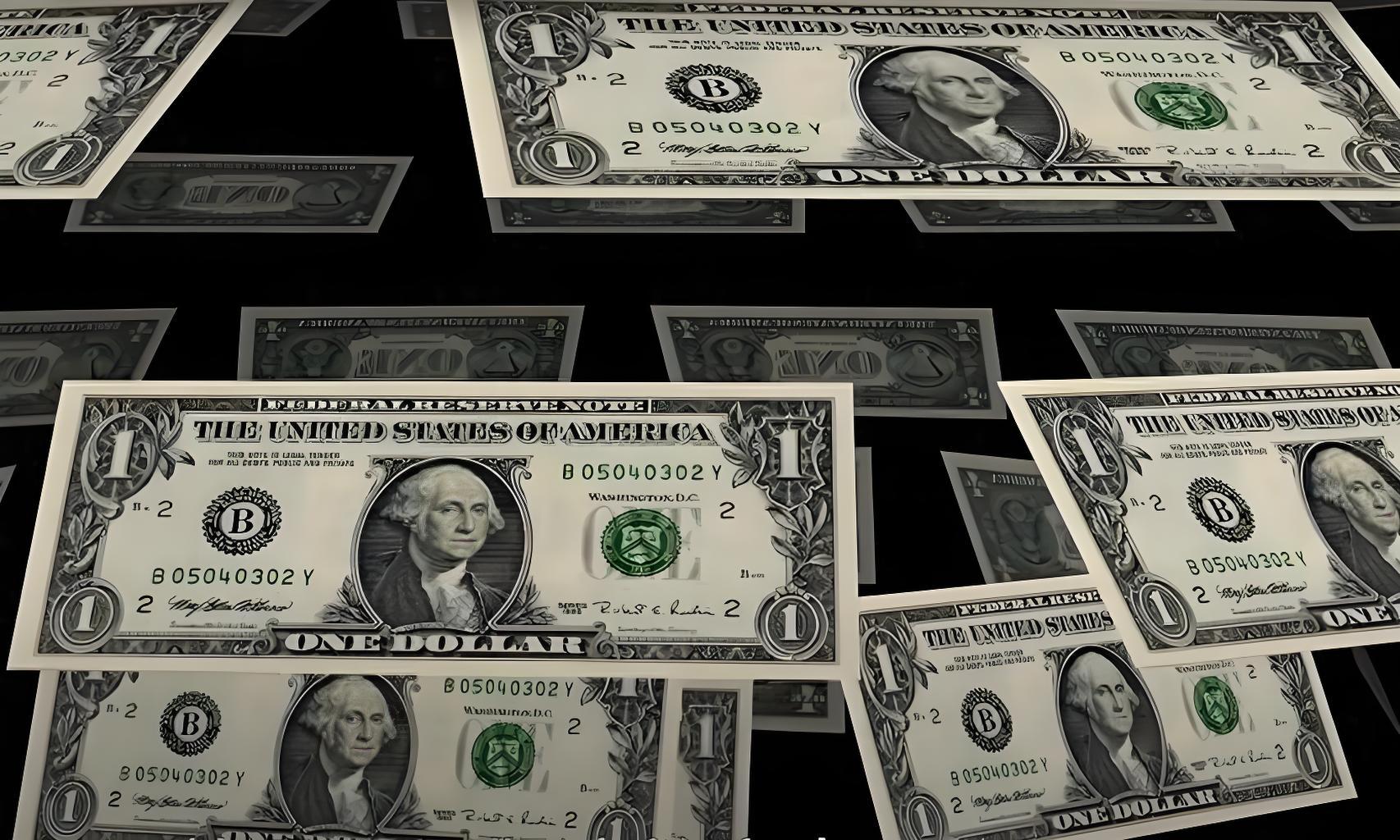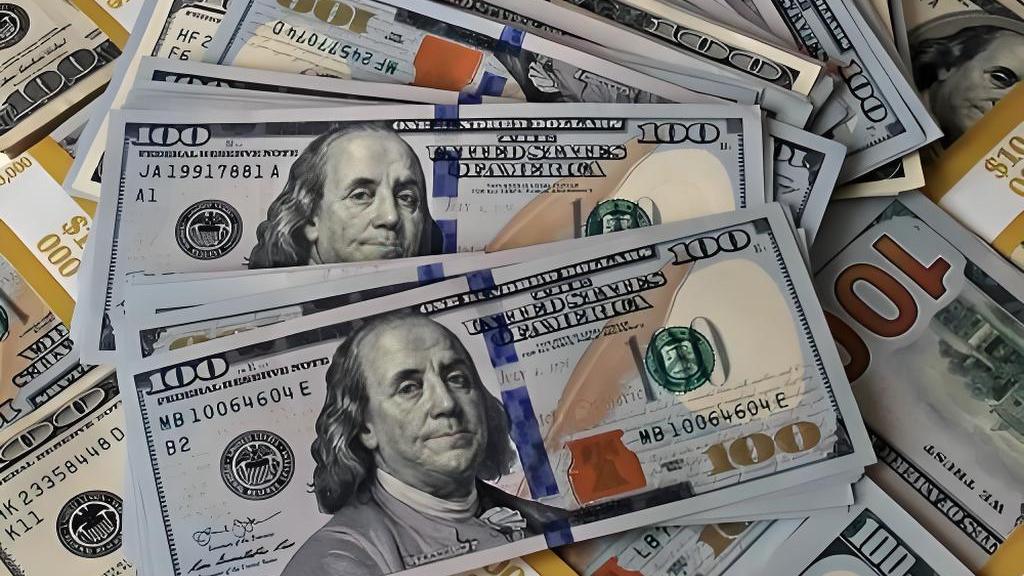






The UK Chancellor of the Exchequer stated that strengthening economic ties with the EU will drive growth, while investor confidence in the Eurozone declines. The dollar continues to rise, supported by strong economic data and risk-aversion sentiment.

Gold prices remain near a two-week high as investors focus on this week's U.S. CPI data and global central bank rate cut expectations, with market sentiment influenced by geopolitical tensions and monetary policy.

Morgan Stanley analysts have indicated that the dollar has absorbed most of the positive news, and investors should consider selling it. They suggest shorting the dollar through GBP/USD or AUD/USD.

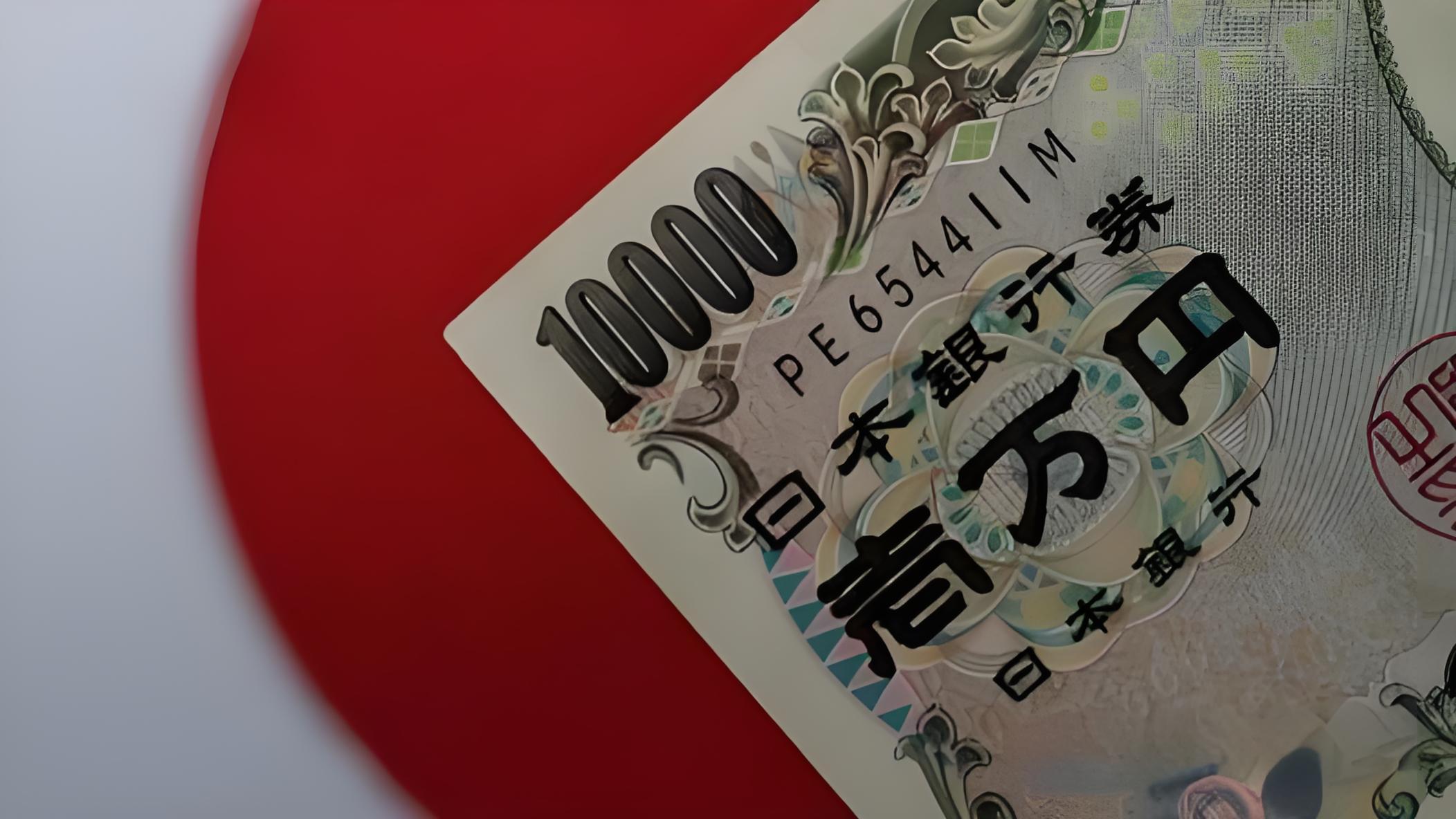
Japan has raised its economic growth forecast for the third quarter. Despite weak consumption and persistent external risks, expectations for an interest rate hike by the Bank of Japan in December have strengthened.

Japan's economic growth in the third quarter exceeded expectations with an annualized rate of 1.2%, supporting the momentum of economic recovery. The market speculates that the Bank of Japan may raise interest rates this month.

Disappointing U.S. employment data weakened the dollar by 0.57% to 105.711, boosting the euro and pound. Market concerns over U.S. inflation pressures have heightened global currency volatility.

India's bond market sees foreign capital inflow, with expectations that the central bank will adopt dovish measures, such as bond purchases or reducing the cash reserve ratio, to support the economy.

Despite de-dollarization trends from the Russia-Ukraine conflict, a UBS report suggests the dollar will maintain dominance due to the global financial system's ongoing reliance on it.

Japan's October wages rose 2.7% year-on-year, the largest since 1992, fueling BOJ rate hike hopes. Wage recovery and improved inflation drive economic momentum, with the yen outperforming non-U.S. currencies.

Gold fluctuates this week as markets eye U.S. non-farm payrolls and Fed rate cut prospects. Geopolitical shifts and a strong dollar pressure gold, while slowing global growth and policy uncertainty challenge the macroeconomy.

The market's expectations for the Bank of Japan's rate hike in December have significantly decreased, with the yen exchange rate rising above 150 yen. The focus is now on the upcoming policy meeting.

ECB official Nagel stated that interest rates should gradually be reduced to a neutral level, avoiding excessive cuts, while cautioning that the short-term recovery prospects for the German economy remain uncertain.

On December 3, South Korean President Yoon Suk-yeol announced martial law, causing the won to drop over 2% to a two-year low against the dollar. The decline later eased, but it still ended 1% lower, highlighting market volatility.

The RMB exchange rate has been depreciating, with the offshore rate falling below 7.30 on December 3, a new low since last November. Experts attribute this to external uncertainties and policies, rather than domestic economic factors.

Trump's tariff threats might have adverse effects, potentially driving the dollar down and raising international gold prices, experts point out, reflecting the uncertainty of the dollar's status.

After the global financial crisis, the ECB shifted from the interest rate corridor to the "floor model," using quantitative easing to address liquidity issues, but this brought new challenges for monetary policy and bond markets.

On December 3rd, the RMB fell against the USD, with offshore RMB breaching 7.3, hitting a new low since November 2023. The market focuses on Trump's tariff threats and China's reserve ratio and interest rate cut expectations.

On December 1, the US dollar surged, with the euro dropping over 1%. Trump's tariff threats and strong US manufacturing data were key drivers, drawing attention to year-end forex trends.

The euro dropped sharply against the dollar, driven by the French government crisis and Fed rate cut expectations, with market focus on the Fed's policy and risks to the eurozone economy.

On Friday (November 29), gold prices fluctuated higher, surpassing the $2,660 mark. This was mainly driven by escalating geopolitical tensions and a retreating dollar, with market risk aversion returning and providing support to gold prices.

The Japanese yen to US dollar exchange rate significantly rebounded this week, driven mainly by market expectations of changes in the US-Japan interest rate differential and uncertainties in international trade.

The continuous decline of the USD has moderately boosted gold prices, but economic data and geopolitical risks continue to dominate market sentiment, leading to cautious trading ahead of Thanksgiving.
avif0116
01-16
News0124
04-07
TikTok封禁可能导致美国小企业与创作者损失超过13亿美元
04-07
韩国股市反弹逾2%,政府承诺采取措施稳定市场情绪,政治动荡后市场回升
04-07
英国财政大臣呼吁加强与欧盟关系,欧元区投资者信心降至一年低点,美元持续上涨
2024-12-10
金价震荡微涨,关注美国CPI和全球央行降息预期,地缘局势继续施压
2024-12-10
美国11月CPI可能影响美联储降息路径,英镑兑美元反弹受阻,技术面显示上行仍有挑战
2024-12-10
澳洲联储连续第九次维持利率在13年高位,暗示通胀控制有所进展但前景仍不确定
2024-12-10
中国11月进出口数据低于预期,出口增长放缓、进口下降,贸易顺差意外增加
03-24
美联储12月降息25基点概率升至85.8%,投资者大幅押注宽松政策
2024-12-10
玉米价格创6月以来新高,大豆承压下行,市场走势受美国农业部报告指引
2024-12-10
叙利亚政局剧变与全球地缘政治紧张局势推动油价波动,原油市场面临不确定性挑战
2024-12-10
美国国债市场的政治化:特朗普当选与贝森特担任财长带来的影响
2024-12-10
叙利亚政局突变及全球政治动荡推动贵金属暴涨,现货黄金单日涨近40美元
2024-12-10
印度央行行长更替!“鸽派”Sanjay Malhotra接任或为降息铺路,市场预期政策调整
2024-12-10