
Driven by fund adjustments and global dynamics, corn hit a 6-month high, while soybeans dipped due to South America's expected bumper harvest. The market awaits the USDA's supply and demand report.


The sudden change in Syria's political situation has intensified regional uncertainty, driving an oil price rebound. However, the market remains focused on the strengthening of the dollar and changes in Federal Reserve policy.


The futures market shows notable fluctuations driven by global supply-demand shifts and policy changes, with analysis and trends for key commodities like rebar, silver, palm oil, and corn.

Saudi Aramco announced a reduction in the oil prices for Asia in January 2025, while adjusting prices for the European market, drawing market attention to energy supply and demand.
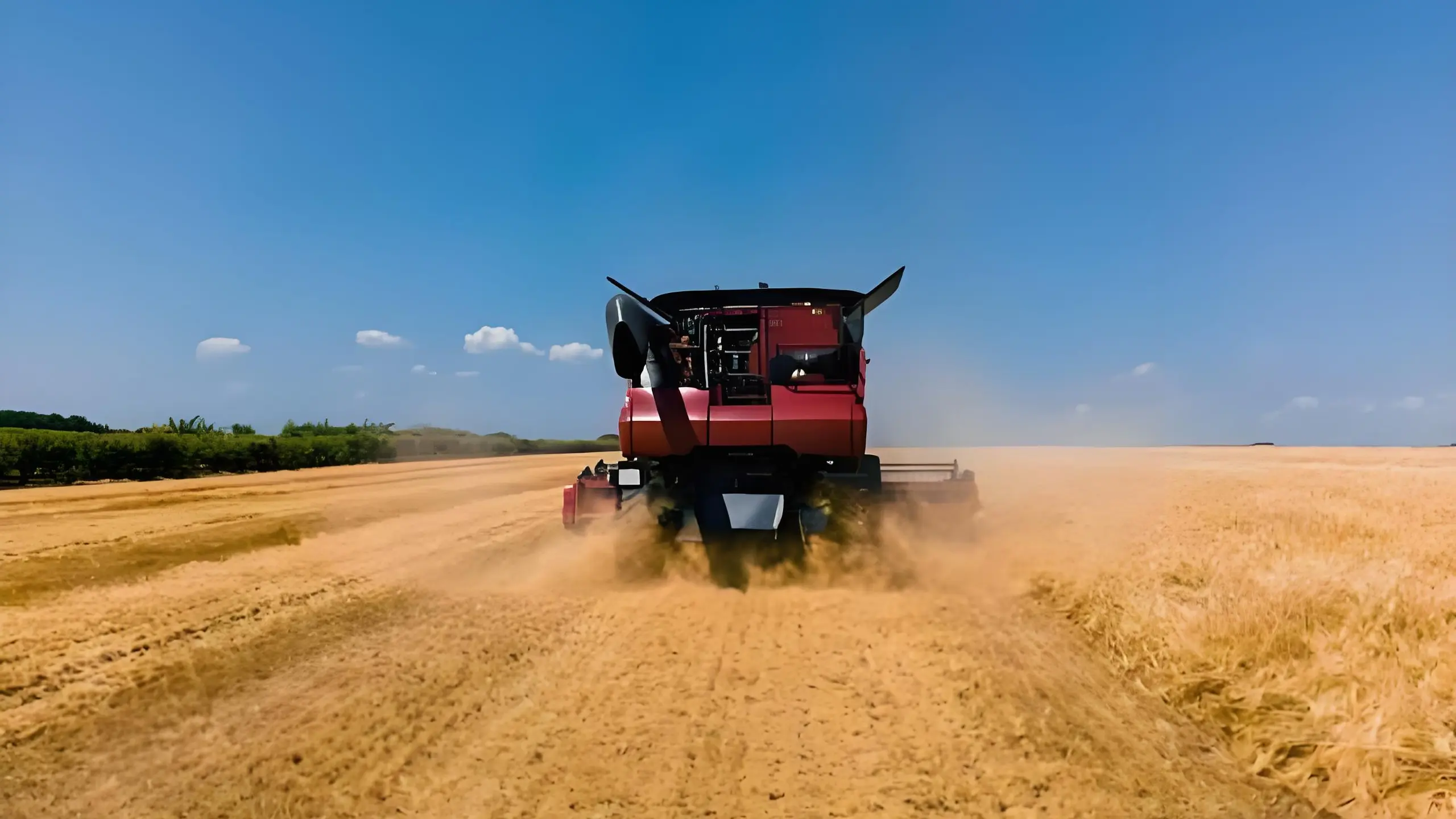
The CBOT grain market fluctuated Friday on Russia-Ukraine supply risks and South American competition. Wheat rose on poor crops, corn on strong exports, while soybeans faced Brazilian pressure. Fund positions added uncertainty.
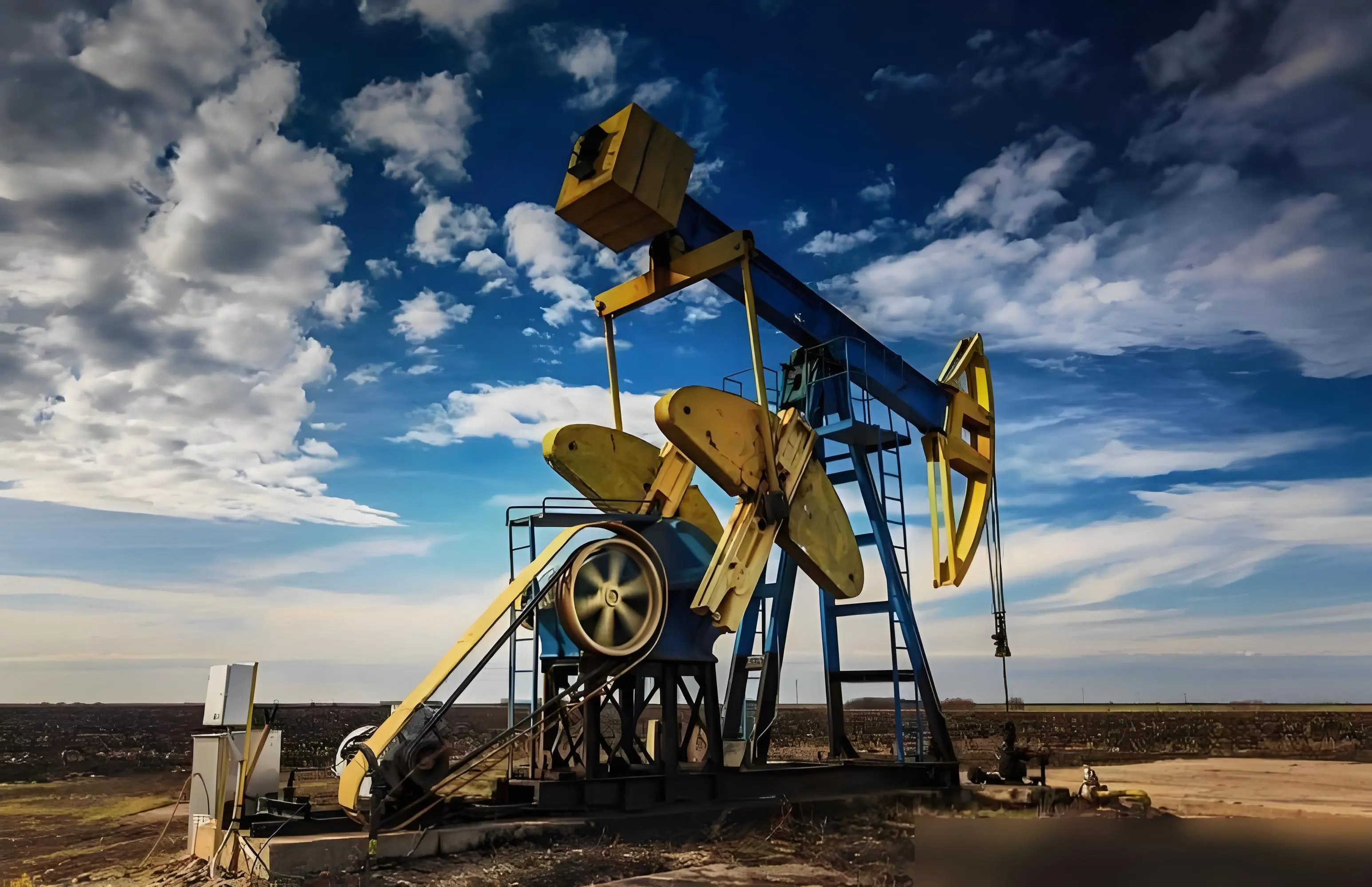
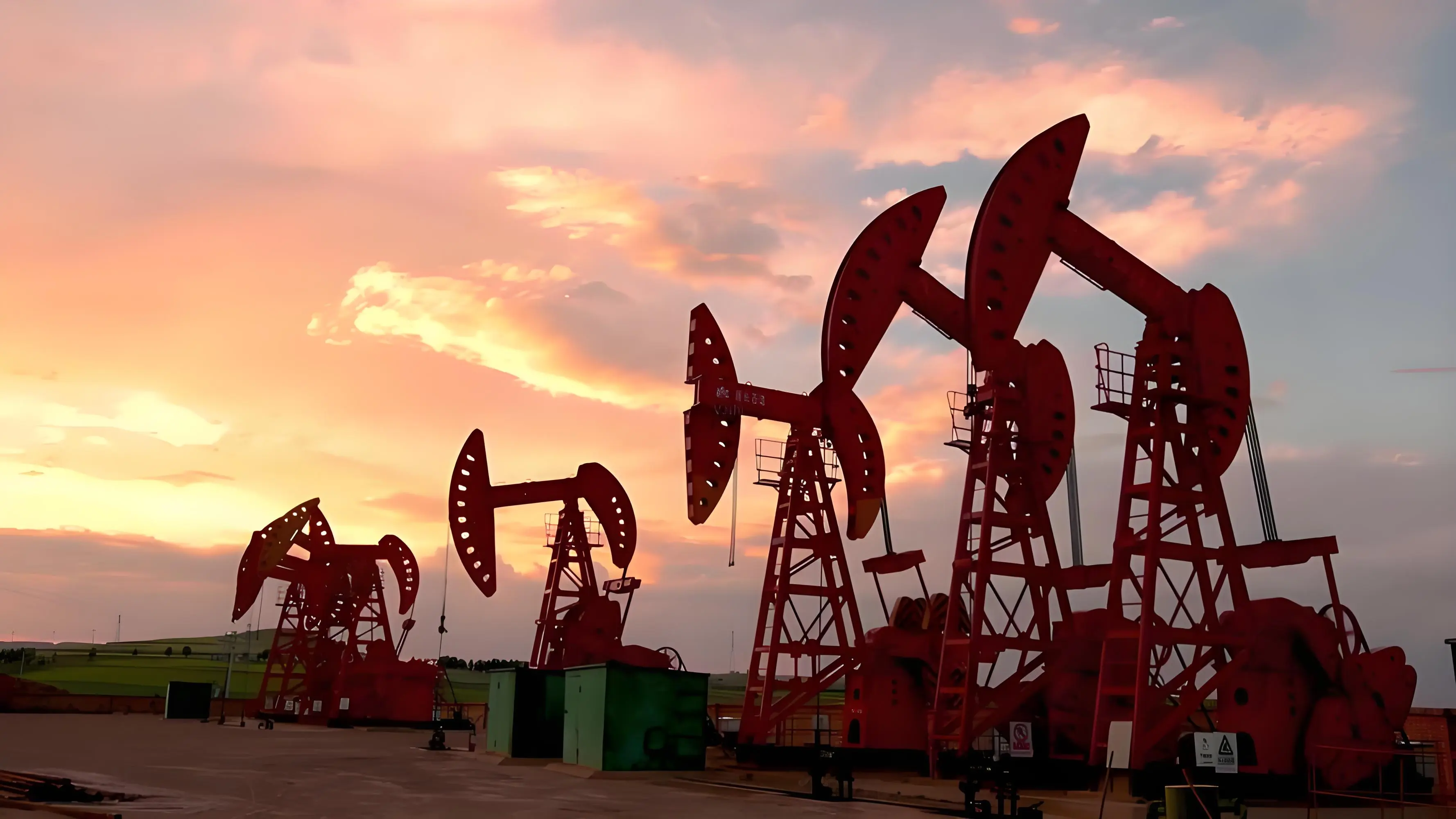
Oil prices fell nearly 2% ahead of the OPEC+ meeting, with market uncertainty over the final decision. Saudi Arabia and Russia are striving to maintain stability, while other members' attitudes are key.
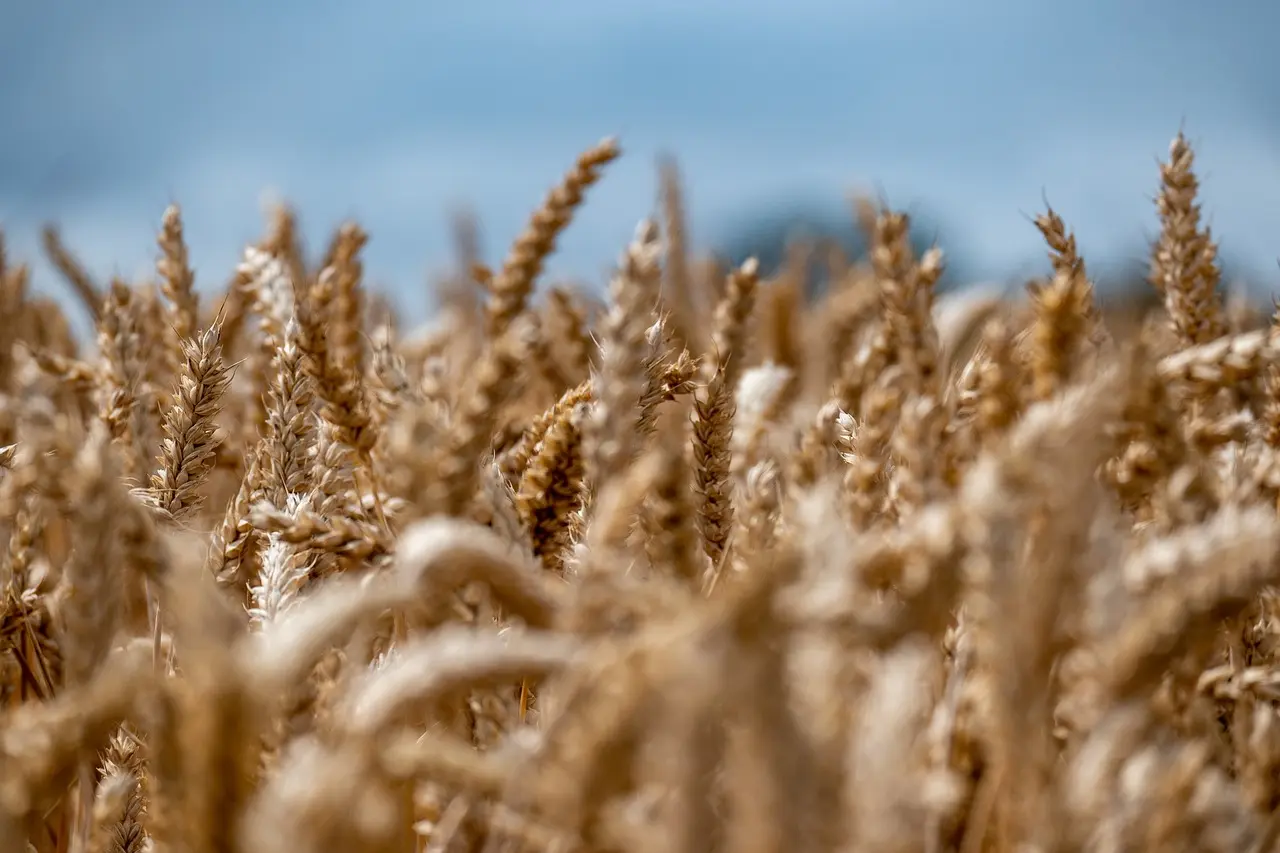
The CBOT grain futures market is influenced by multiple factors, with wheat rebounding, while soybean oil and soybean meal are under pressure. The market is full of uncertainty regarding future trends.

After several days of fluctuations, oil prices have experienced a strong rebound as the market anticipates that OPEC+ will extend the production cut agreement in their meeting. Additionally, heightened geopolitical tensions have supported oil prices.
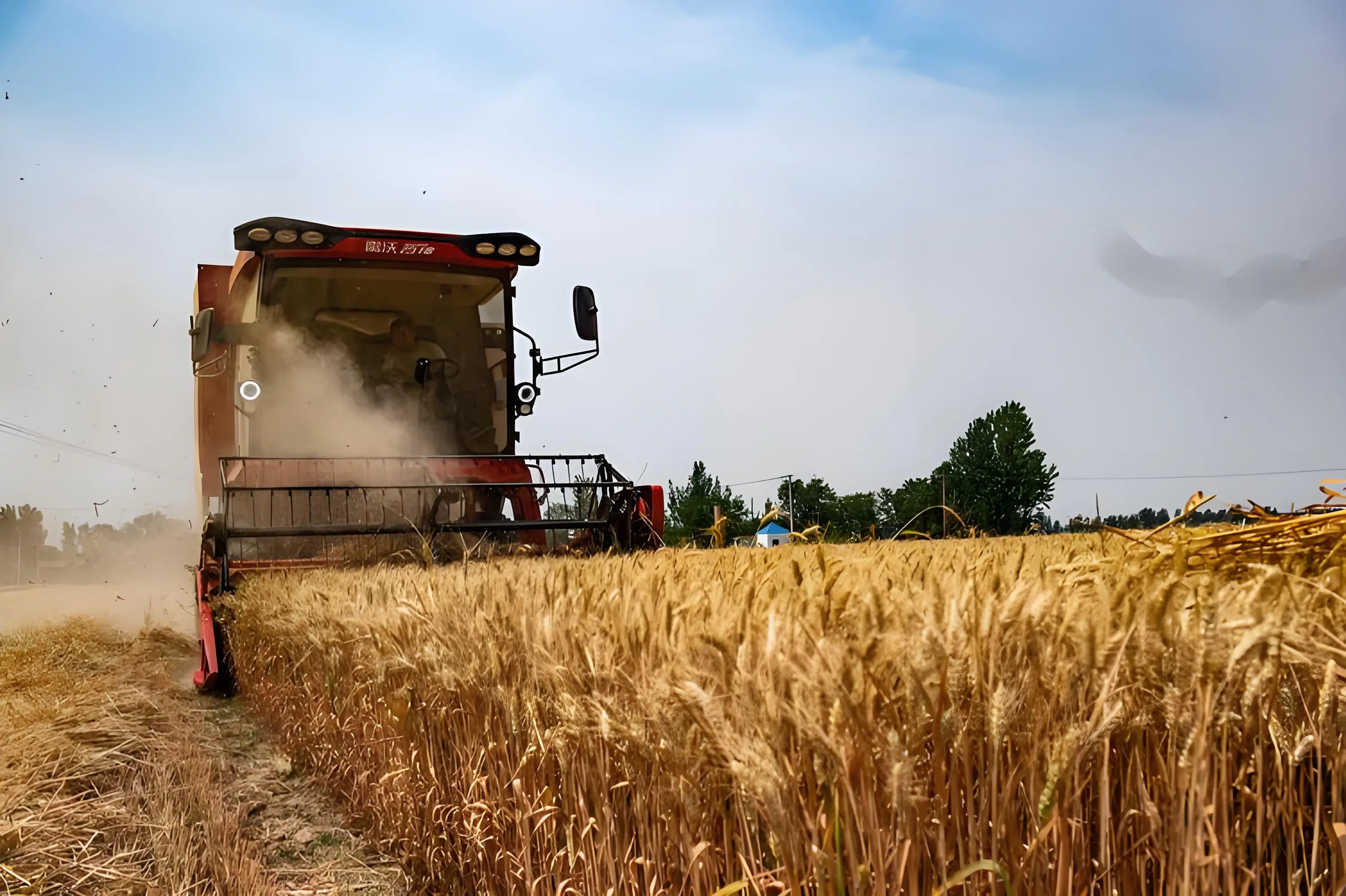
The CBOT grain futures market is driven by multiple factors, with wheat under pressure and soybeans and corn caught between demand expectations and a strong South American harvest. Fund position changes reflect investor psychology.

On December 4th, the domestic futures market was mixed, with palm oil and soybean oil rising, while glass, PVC, and corn faced downward pressure, creating short-term trading opportunities.

CBOT grain futures show divergence, with soybean, corn, and wheat prices fluctuating amid South American harvests, U.S. export demand, and fund position changes, creating uncertainty for future trends.
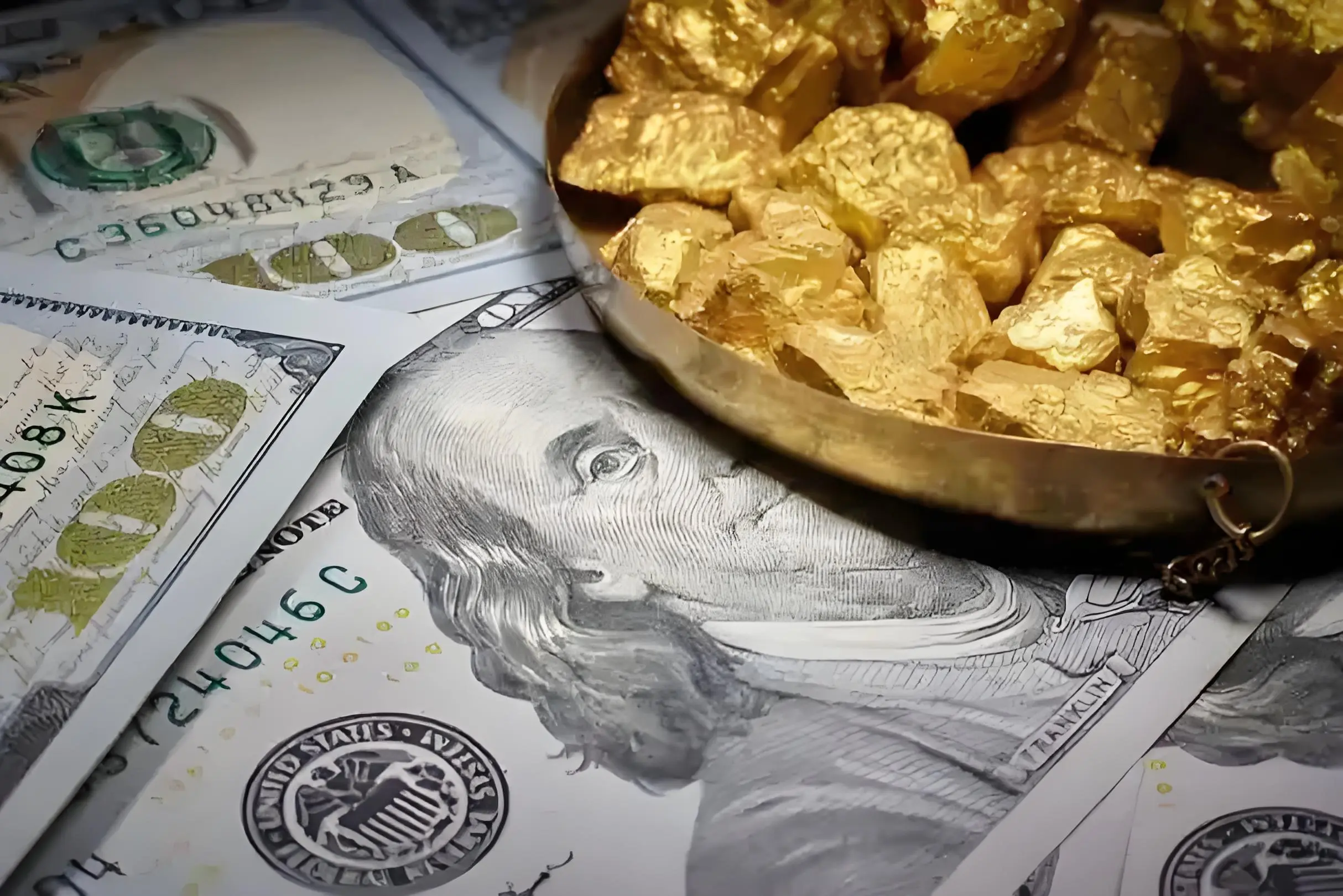
On December 2nd, COMEX gold declined slightly, while domestic gold fluctuated. Market focus shifted to U.S. economic data, with gold under pressure. Geopolitical risks and employment data may become key drivers.

Oil prices fluctuate as the market awaits OPEC+ meeting results, with an extension of production cuts seen as supportive but also risks a price correction if expectations aren't met.

The imbalance between supply and demand in the global crude oil market is worsening, and oil prices may fall by 5% next year. The decisions of OPEC+ and Trump’s policies are crucial to the market's direction.

Global production reaching new highs, weak demand, and import shocks have collectively driven down corn prices. China's reduced corn imports may bring some relief to the domestic market, but a full recovery will still take time.


U.S. crude oil production has rebounded to its highest level of the year, with oil prices experiencing continuous fluctuations. The market is adopting a wait-and-see approach, with focus shifting to the upcoming OPEC+ meeting over the weekend.

U.S. gasoline inventories surged and uncertainty over interest rate cuts weighed on oil prices, but the possibility of OPEC+ delaying production increases provided temporary support to the market, leading to a stalemate in crude oil trends.
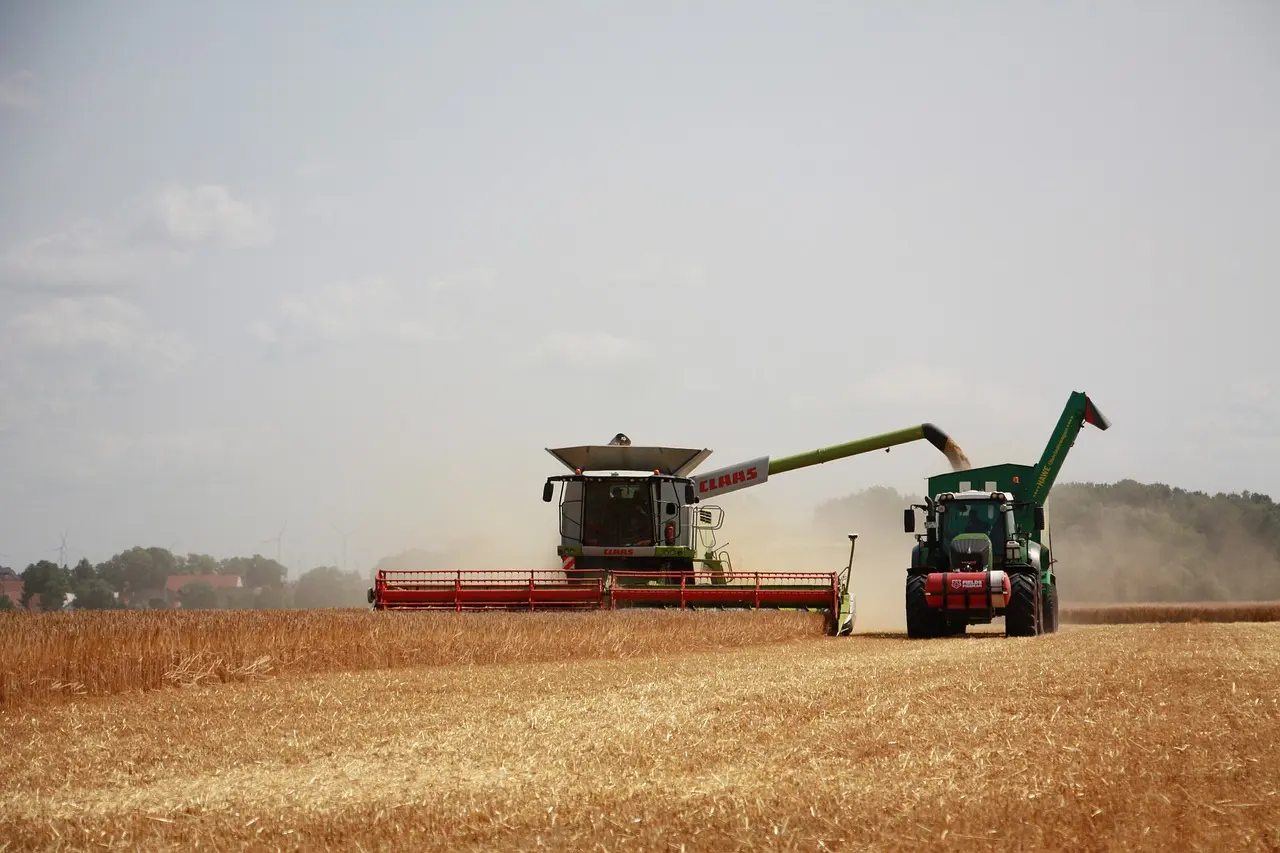

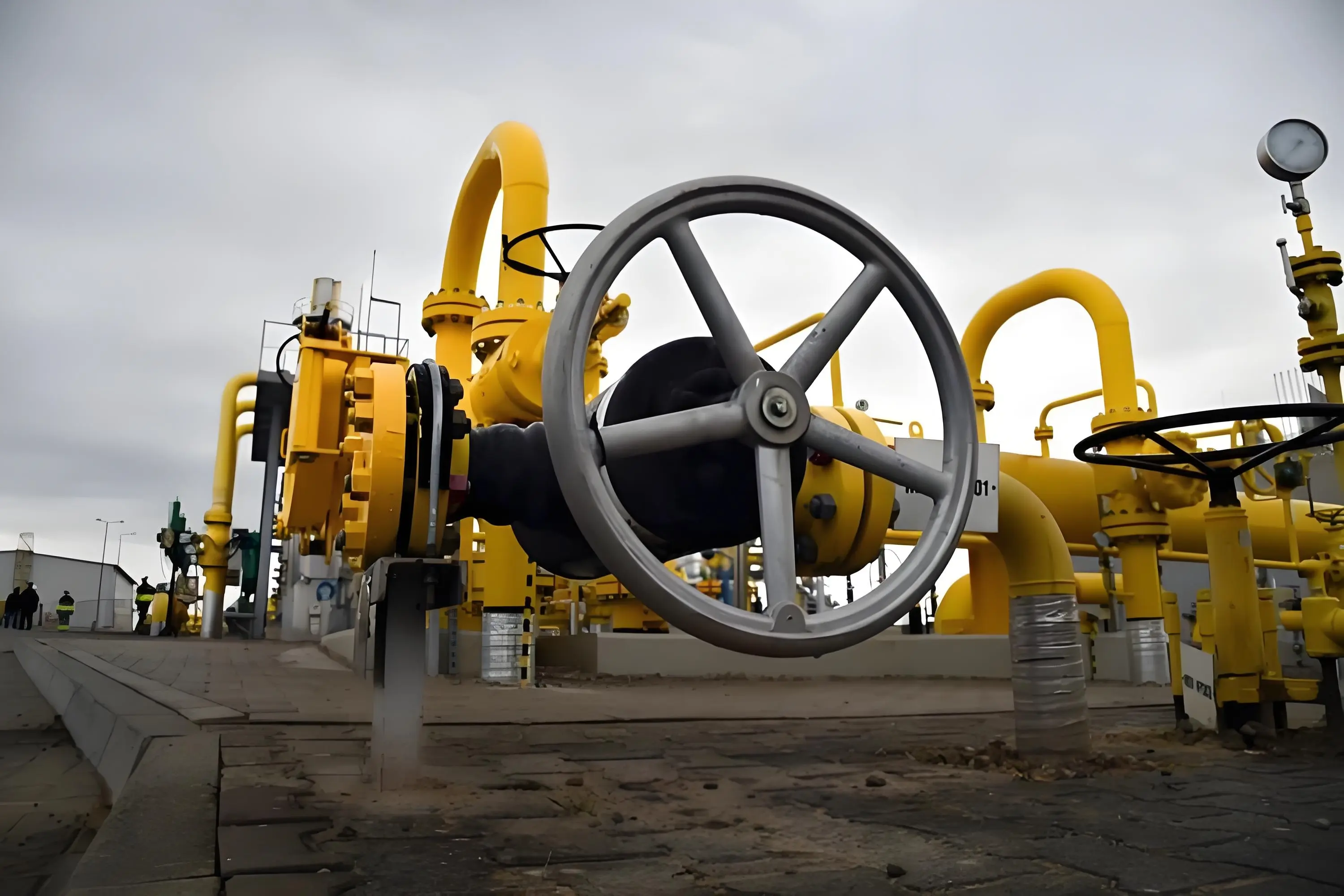
U.S. natural gas futures rose on Tuesday, supported by forecasts of cold weather and the expiration of December contracts. Prices approached critical technical levels as the market focused on the growth in heating demand.

The escalation of the Russia-Ukraine conflict combined with nuclear threat warnings has sharply intensified geopolitical tensions, potentially causing significant fluctuations in oil prices by the end of the year due to risk premiums.


On November 25, US crude traded near $71.15 after rising 6% last week. Geopolitical tensions support prices short-term, but weak demand and a strong dollar may cap gains.

This week, the domestic futures market diverged as industrial products faced supply-demand pressure with weak fluctuations, while oils and fats weakened on lower policy expectations. The overall trend remains weak.
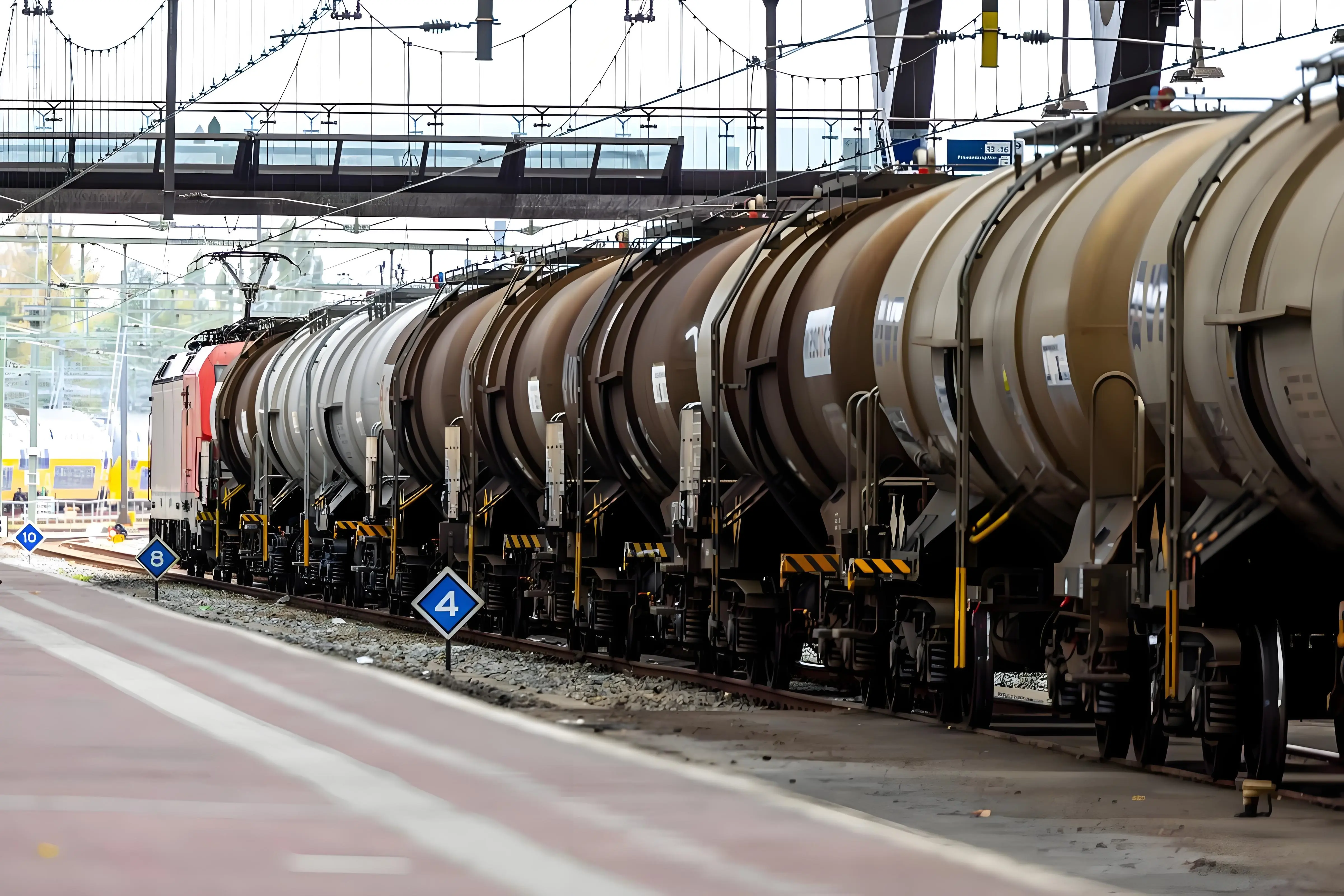
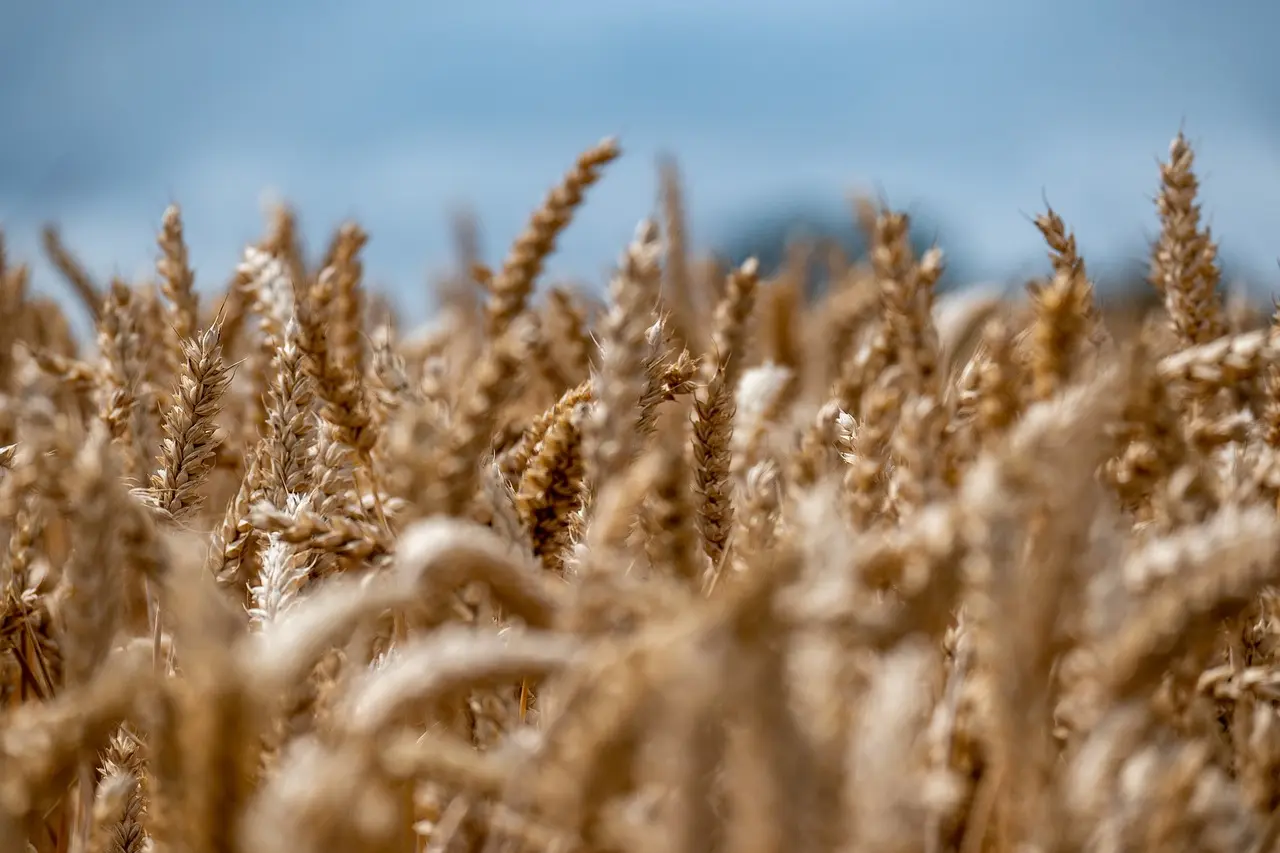
The CBOT grain futures market fell across the board on Friday, influenced by ample global supply, shifts in capital flow, and international trade dynamics, leading to a short-term expectation of low-level fluctuations.
AI investment fears erase more than $1 trillion from Big Tech
11-06
Kentucky Leads US High School Graduation Rates; Alaska Ranks Last
11-06
Apple Loosens Access to Its New Siri AI, but Queues May Return
11-06
Goldman Sachs Promotes 109 Partners, a Record for Engineers
11-06
Boston Market Still Offers Value, but Dine-In Falls Flat
11-05
Humble Robotics Raises $51 Million for Cabless Autonomous Trucks
11-05
Energy Stocks Outpaced the S&P 500: What to Look At
11-05
CZ Warns AI Is Accelerating Cyberattacks on Crypto Platforms
11-05
US Stocks Rally After Midterms as AI Data Center Plans Draw Scrutiny
11-05
Pixar co-founder Ed Catmull urges creatives to shape AI tools
11-05
Blockchain.com Launches $5 Crypto Options With 7-Day Terms
10-20
US Housing Market Cools as Rate Outlook Clouds Fed Choices
10-20
Musk Says AI and Robots Could Help Ease US Debt
10-20
Sophon Plans to Wind Down Layer 2 Network After Pursuing $70 Million in Funding
10-20
Bitcoin Touches $83,000 as $45 Million in Shorts Are Liquidated
10-20
