
The UK Chancellor of the Exchequer stated that strengthening economic ties with the EU will drive growth, while investor confidence in the Eurozone declines. The dollar continues to rise, supported by strong economic data and risk-aversion sentiment.


Gold prices remain near a two-week high as investors focus on this week's U.S. CPI data and global central bank rate cut expectations, with market sentiment influenced by geopolitical tensions and monetary policy.


Morgan Stanley analysts have indicated that the dollar has absorbed most of the positive news, and investors should consider selling it. They suggest shorting the dollar through GBP/USD or AUD/USD.

Japan has raised its economic growth forecast for the third quarter. Despite weak consumption and persistent external risks, expectations for an interest rate hike by the Bank of Japan in December have strengthened.


Japan's economic growth in the third quarter exceeded expectations with an annualized rate of 1.2%, supporting the momentum of economic recovery. The market speculates that the Bank of Japan may raise interest rates this month.


Disappointing U.S. employment data weakened the dollar by 0.57% to 105.711, boosting the euro and pound. Market concerns over U.S. inflation pressures have heightened global currency volatility.

India's bond market sees foreign capital inflow, with expectations that the central bank will adopt dovish measures, such as bond purchases or reducing the cash reserve ratio, to support the economy.
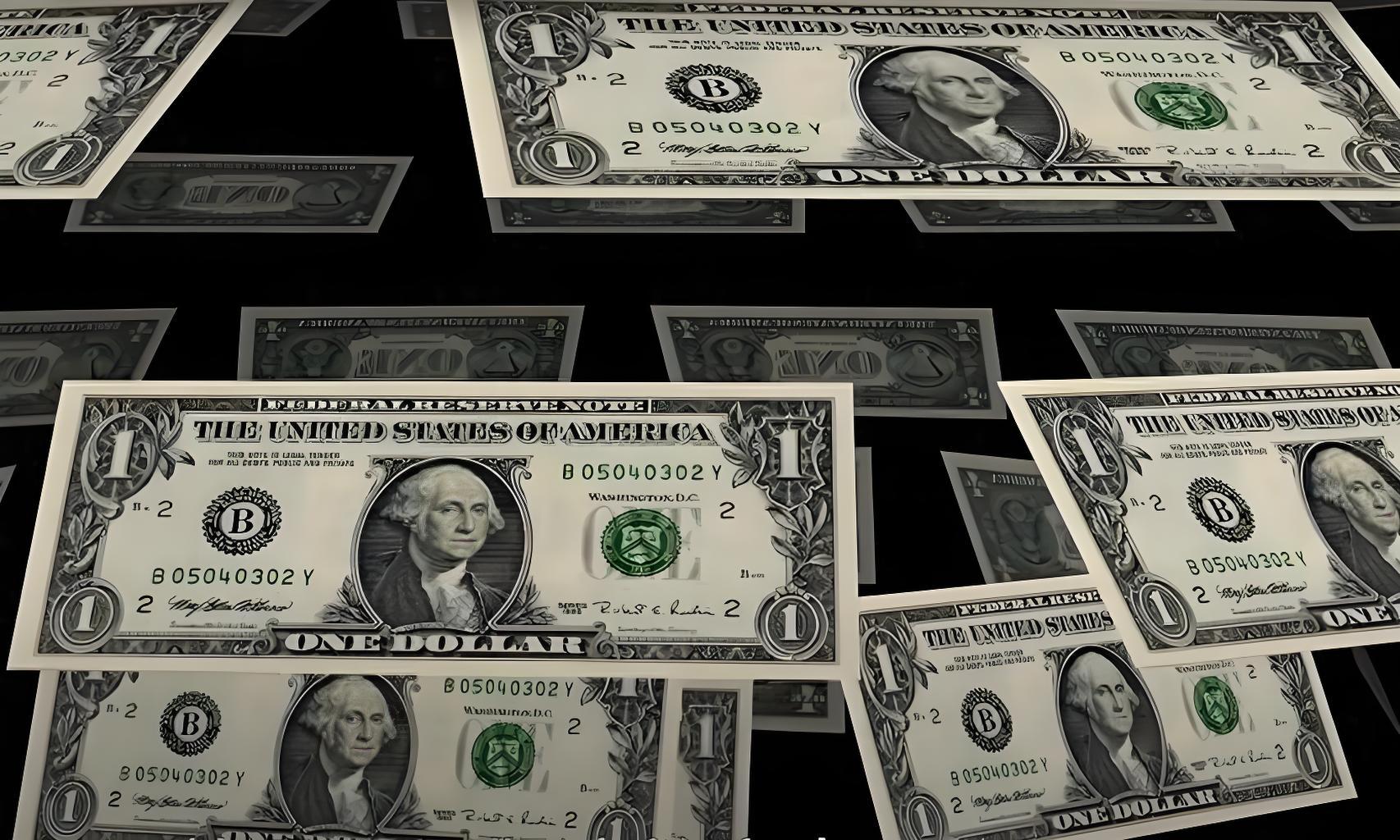
Despite de-dollarization trends from the Russia-Ukraine conflict, a UBS report suggests the dollar will maintain dominance due to the global financial system's ongoing reliance on it.
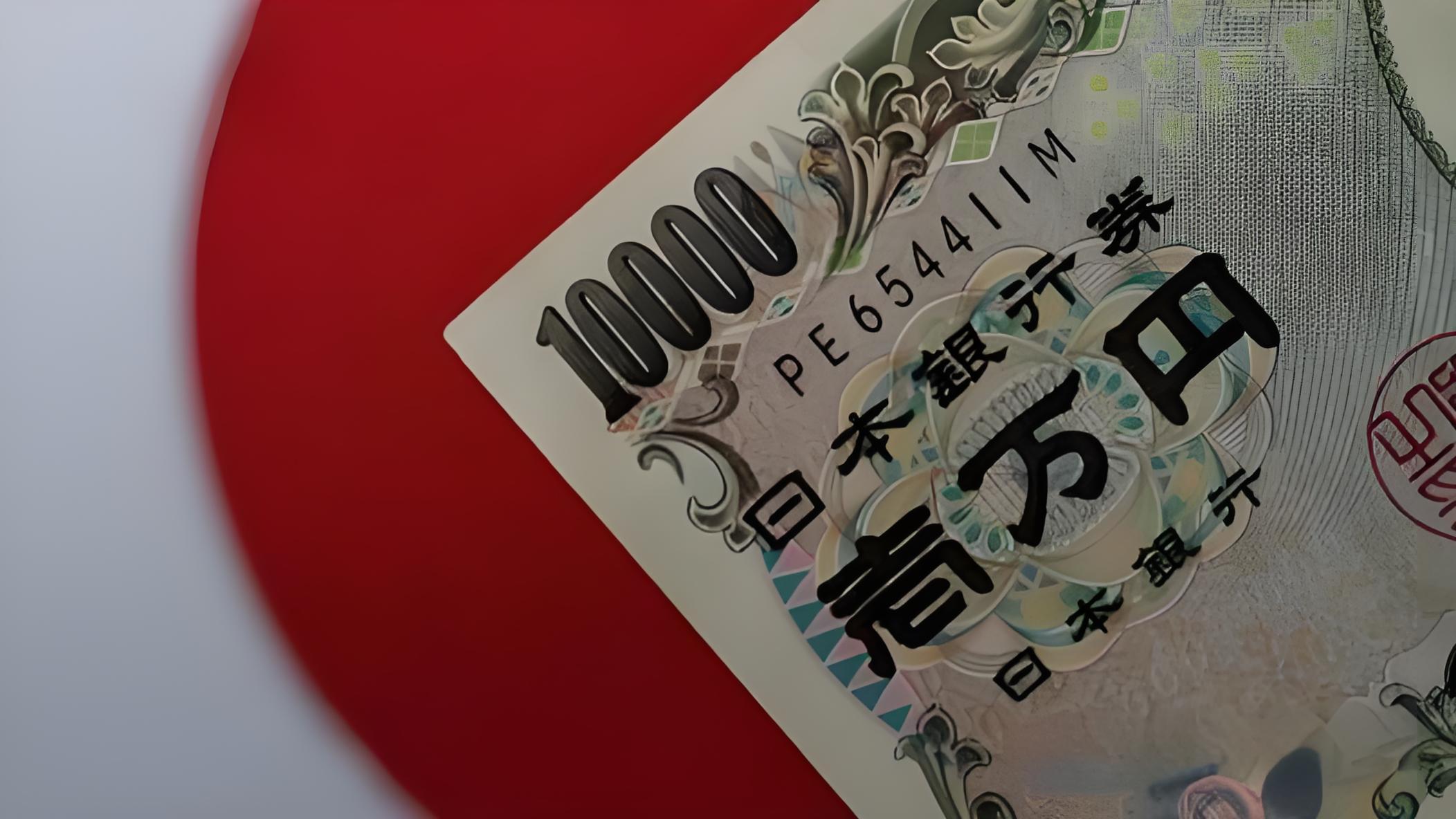
Japan's October wages rose 2.7% year-on-year, the largest since 1992, fueling BOJ rate hike hopes. Wage recovery and improved inflation drive economic momentum, with the yen outperforming non-U.S. currencies.

Gold fluctuates this week as markets eye U.S. non-farm payrolls and Fed rate cut prospects. Geopolitical shifts and a strong dollar pressure gold, while slowing global growth and policy uncertainty challenge the macroeconomy.

The market's expectations for the Bank of Japan's rate hike in December have significantly decreased, with the yen exchange rate rising above 150 yen. The focus is now on the upcoming policy meeting.

ECB official Nagel stated that interest rates should gradually be reduced to a neutral level, avoiding excessive cuts, while cautioning that the short-term recovery prospects for the German economy remain uncertain.


On December 3, South Korean President Yoon Suk-yeol announced martial law, causing the won to drop over 2% to a two-year low against the dollar. The decline later eased, but it still ended 1% lower, highlighting market volatility.

The RMB exchange rate has been depreciating, with the offshore rate falling below 7.30 on December 3, a new low since last November. Experts attribute this to external uncertainties and policies, rather than domestic economic factors.

Trump's tariff threats might have adverse effects, potentially driving the dollar down and raising international gold prices, experts point out, reflecting the uncertainty of the dollar's status.

After the global financial crisis, the ECB shifted from the interest rate corridor to the "floor model," using quantitative easing to address liquidity issues, but this brought new challenges for monetary policy and bond markets.

On December 3rd, the RMB fell against the USD, with offshore RMB breaching 7.3, hitting a new low since November 2023. The market focuses on Trump's tariff threats and China's reserve ratio and interest rate cut expectations.

On December 1, the US dollar surged, with the euro dropping over 1%. Trump's tariff threats and strong US manufacturing data were key drivers, drawing attention to year-end forex trends.

The euro dropped sharply against the dollar, driven by the French government crisis and Fed rate cut expectations, with market focus on the Fed's policy and risks to the eurozone economy.


On Friday (November 29), gold prices fluctuated higher, surpassing the $2,660 mark. This was mainly driven by escalating geopolitical tensions and a retreating dollar, with market risk aversion returning and providing support to gold prices.



The Japanese yen to US dollar exchange rate significantly rebounded this week, driven mainly by market expectations of changes in the US-Japan interest rate differential and uncertainties in international trade.


The continuous decline of the USD has moderately boosted gold prices, but economic data and geopolitical risks continue to dominate market sentiment, leading to cautious trading ahead of Thanksgiving.
Bitcoin ETF Sees Strong Inflows While Ethereum ETF Experiences Sharp Decline
4 hours ago
UK Regulator Reassesses 2019 Ban on Prediction Markets
4 hours ago
Novartis’ Cardiovascular Drug Trial Disappoints, Casting Doubt on Multi-Billion Dollar Lp(a) Market
8 hours ago
Canada Imposes Tariffs on Hundreds of U.S. Products Amid Escalating Trade Tensions
12 hours ago
US Woman’s Decade-Long European Journey Highlights Lower Costs and Lifestyle Benefits in France
21 hours ago
Costco Closes U.S. Stores on Seven Major Holidays, Outpacing Most Retailers
09-07
Eurozone Sentix Confidence Rises to 5.1; Germany’s Recovery Faces Test Ahead
09-07
Ethereum Founder Vitalik Buterin Stakes 90% of Assets on Bitcoin Decline Amid AI Bubble Concerns
09-07
US Justice Department Uncovers $4M Crypto Money Laundering Linked to Drug Trafficking Network
09-07
Robinhood Chain’s Fee Model Sparks Debates Impacting Solana, Arbitrum, and BNB Chain
09-07
Australia's Q2 GDP Surpasses Expectations Amid Inflation Concerns
09-02
Surge in Price Manipulation Attacks Raises Alarms in Crypto Lending Markets
09-01
Palo Alto Networks Q4 Revenue Surpasses Estimates Amid AI-Driven Security Demand
09-01
US Bond Sell-Off Amplifies Bitcoin and Crypto Volatility
09-01
US Crypto Clarity Act Faces Uncertainty as Key Vote Delayed
09-01
