South Korean stocks rose over 2% Tuesday, rebounding from a 13-month low as the government pledged market-stabilizing measures. The KOSPI gained 2.37%, surpassing 2400 points.


On Monday, the Nikkei 225 Index rose 0.62% to 39,332.55 points, while South Korea's KOSPI Index fell 1.5% to 2,392.37 points, as the market focused on the prospects for global economic recovery and regional uncertainties.
On December 6th morning, the A-share market saw broad gains, led by the startup board and tech sector. Trading volume surged, with market sentiment driven by strong policy expectations.
A-shares show a volatile uptrend as foreign capital boosts tech and consumer sectors. Policies and recovery support growth, but market differentiation and exchange rate risks persist, highlighting structural opportunities.

The Taiwan stock market closed higher on Thursday, with the Taiwan Weighted Index rising by 0.99%, mainly driven by strong performances in sectors such as electronics, components, and glass.

Among the top 20 U.S. stocks, Apple reached a $3.67 trillion market cap, NVIDIA plans a new AI server launch, and Tesla faces a legal challenge over its compensation plan.
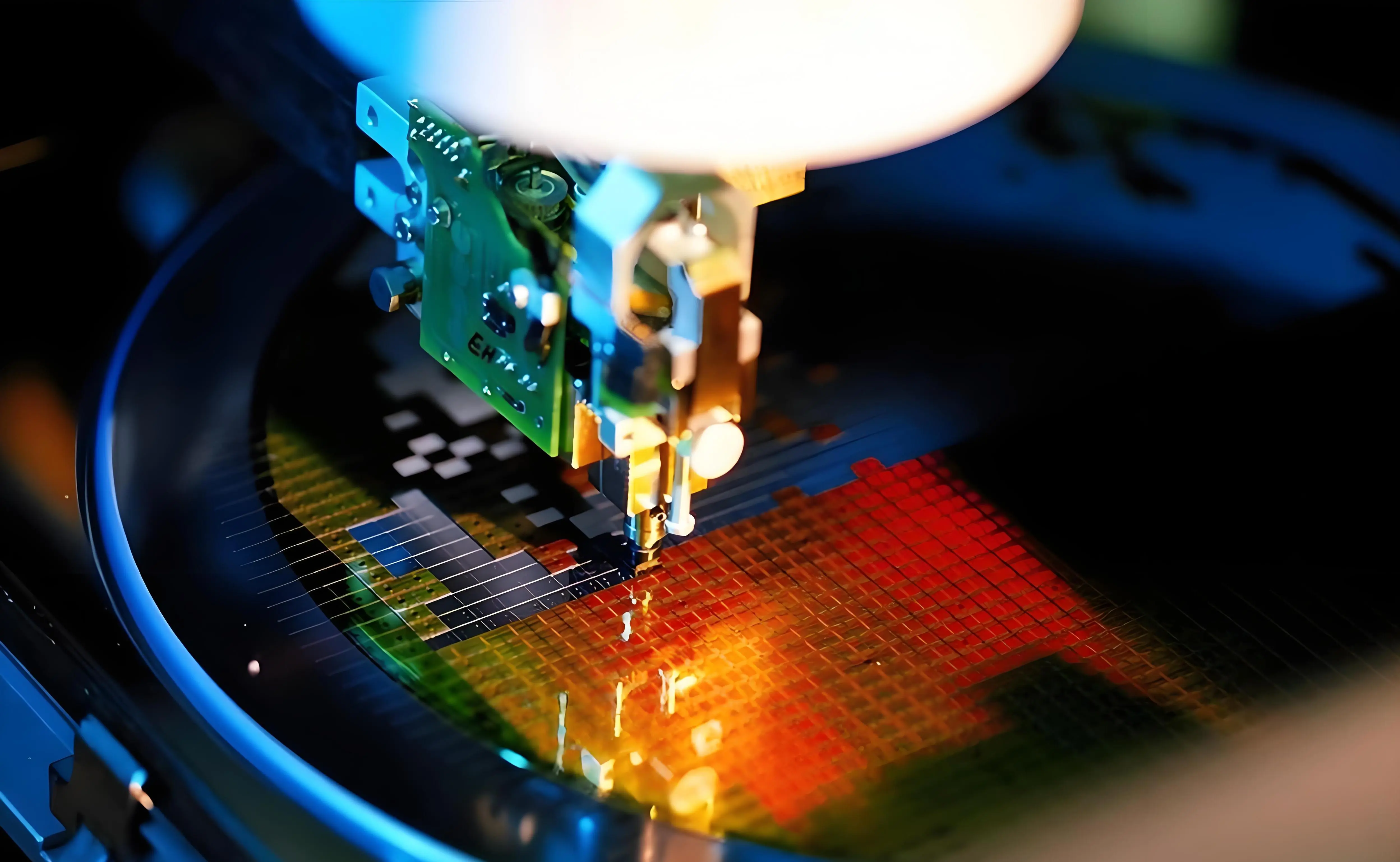
The U.S. tightened semiconductor export controls, escalating China-U.S. tech tensions, as Hong Kong’s semiconductor sector rises and Chinese associations urge caution on U.S. chip purchases.
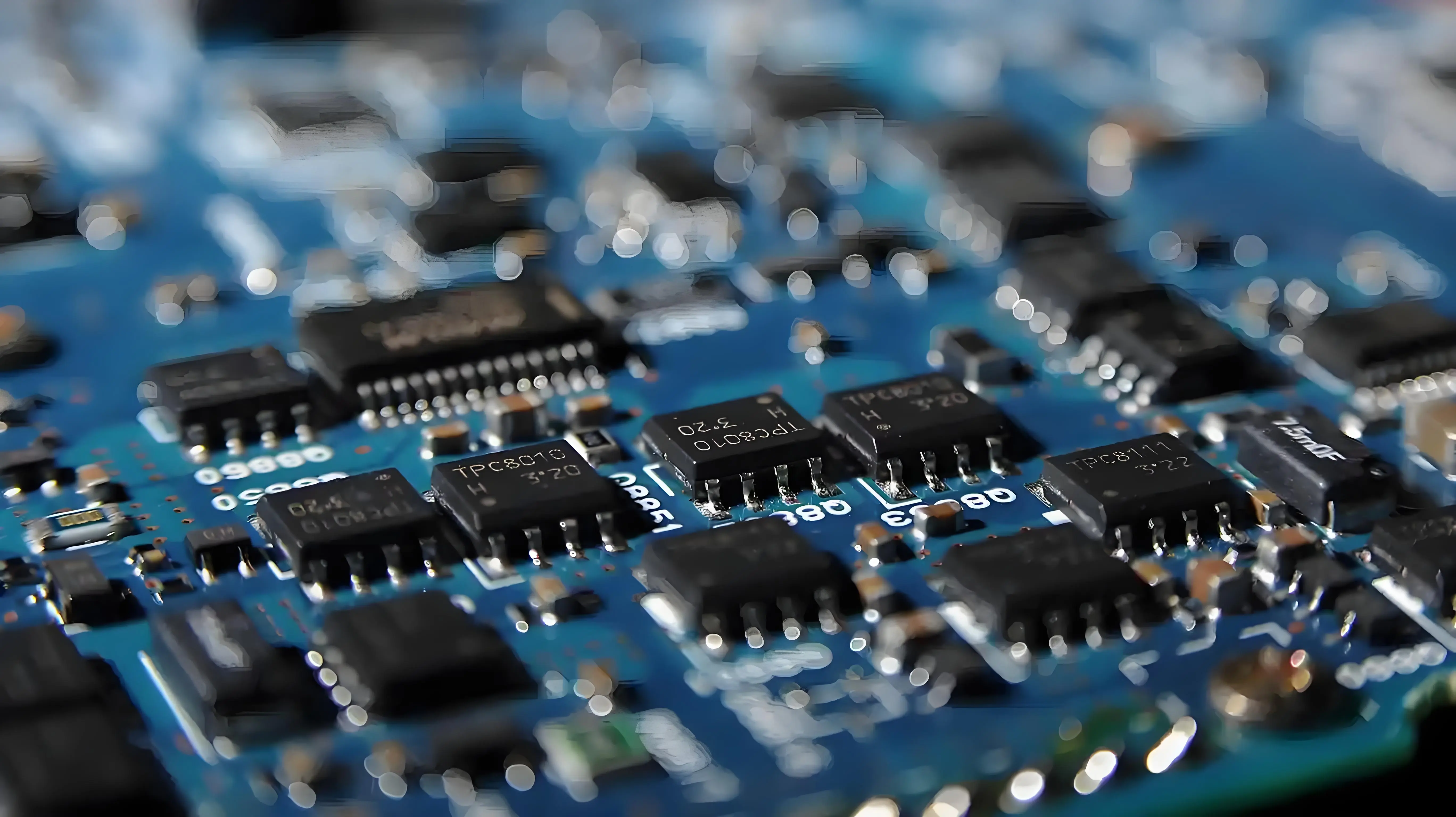
The A-share chip sector, led by automotive chips, is surging, while the Hong Kong chip market also rises. Optimism grows over the accelerated localization of China's semiconductor industry.
The Hang Seng Index rose for three consecutive days, driven by the strong performance of Xiaomi and WuXi Biologics. Financial stocks led the gains, and overall market sentiment improved.
U.S. stocks closed mixed on Monday, as the market focused on the upcoming release of November's non-farm employment data and the Federal Reserve's interest rate decision in December.
Australian stock market declined on Friday, with drops in sectors such as real estate, industrials, and telecommunication services leading the S&P/ASX 200 index to close down 0.10%.
BlackRock advises modestly overweighting U.S. stocks, focusing on financials, consumer discretionaries, and tech, while staying cautious on long-term Treasuries due to high debt and a steepening yield curve.
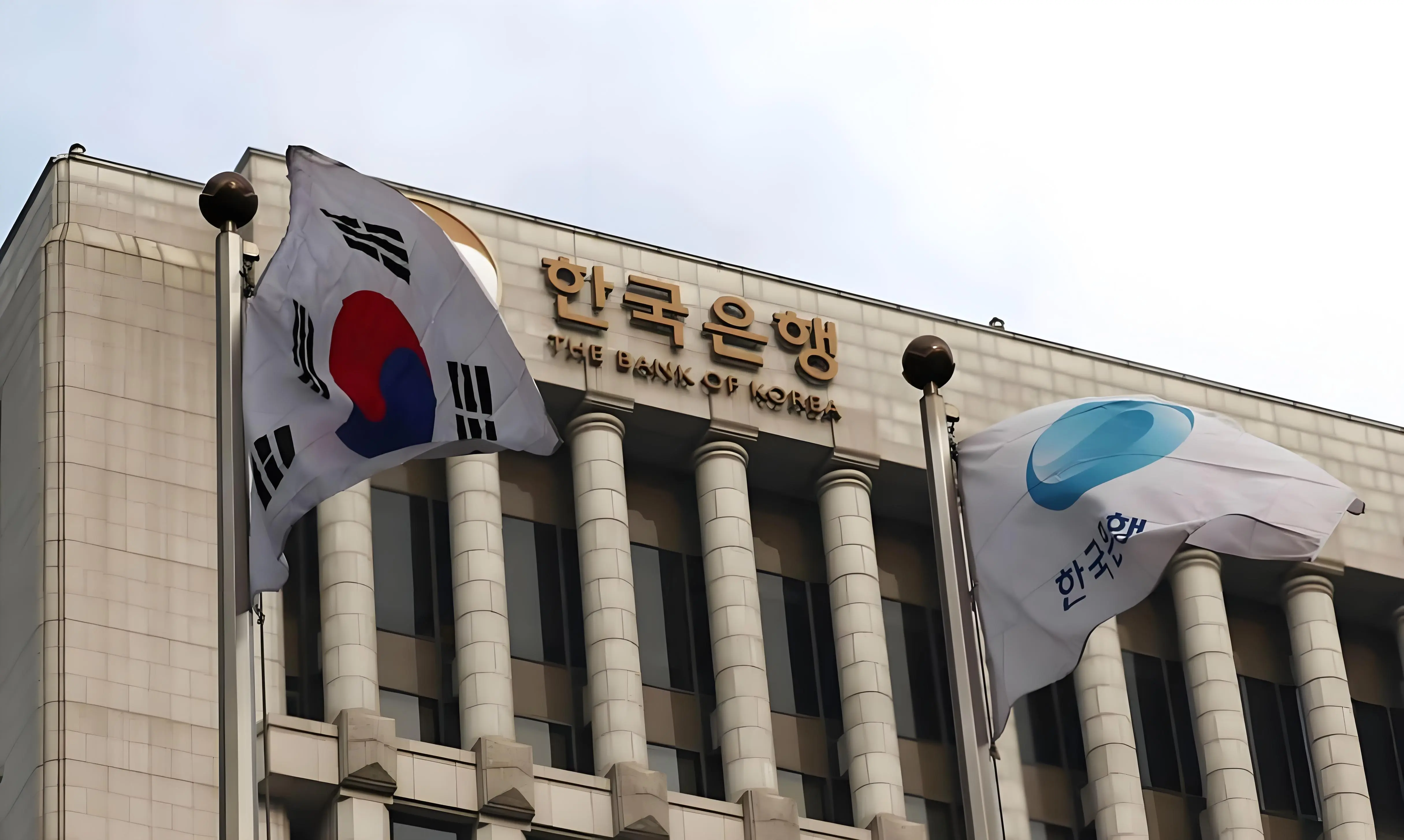
The Bank of Korea cut interest rates for the second consecutive month, but failed to boost market confidence. On the 29th, the KOSPI index fell sharply by 2%, reflecting uncertainties about the economic outlook and concerns over weak exports.
TSMC's stock price has fallen for four consecutive days this week, dropping below the NT$1,000 mark. The market is concerned that Trump may reinstate tariffs and adjust chip policies, bringing uncertainty to Taiwan's semiconductor industry.
AI investment fears erase more than $1 trillion from Big Tech
11-06
Kentucky Leads US High School Graduation Rates; Alaska Ranks Last
11-06
Apple Loosens Access to Its New Siri AI, but Queues May Return
11-06
Goldman Sachs Promotes 109 Partners, a Record for Engineers
11-06
Boston Market Still Offers Value, but Dine-In Falls Flat
11-05
Humble Robotics Raises $51 Million for Cabless Autonomous Trucks
11-05
Energy Stocks Outpaced the S&P 500: What to Look At
11-05
CZ Warns AI Is Accelerating Cyberattacks on Crypto Platforms
11-05
US Stocks Rally After Midterms as AI Data Center Plans Draw Scrutiny
11-05
Pixar co-founder Ed Catmull urges creatives to shape AI tools
11-05
Blockchain.com Launches $5 Crypto Options With 7-Day Terms
10-20
US Housing Market Cools as Rate Outlook Clouds Fed Choices
10-20
Musk Says AI and Robots Could Help Ease US Debt
10-20
Sophon Plans to Wind Down Layer 2 Network After Pursuing $70 Million in Funding
10-20
Bitcoin Touches $83,000 as $45 Million in Shorts Are Liquidated
10-20